
Ask a Muslim family what’s holding them back from Japan and you’ll usually hear the same two questions long before anyone mentions temples or cherry blossoms: where will we pray, and what will the kids eat?
It’s a fair worry. Japan isn’t a Muslim-majority country, and if your only reference point is a solo backpacker’s highlight reel, it can look like a place where a family with young kids and elderly parents would spend the whole trip negotiating. The reality on the ground is different — especially in Kansai, the Osaka–Kyoto–Nara triangle, where the tourism boards have spent the last decade quietly building out prayer facilities and halal dining in a way that most first-time visitors don’t realise until they arrive.
This Muslim family guide to Osaka and Kyoto pulls together what’s actually available: the prayer spaces you can count on, the restaurants that will feed a fussy toddler and a cautious grandparent, and an itinerary paced for a group that includes both a stroller and someone who needs to sit down every hour.
Why Osaka and Kyoto Work So Well for Muslim Families
Osaka and Kyoto sit about 45 minutes apart by train, which means you can base yourself in one city and day-trip to the other — no repacking, no hauling suitcases through stations twice. Add Nara, home of the famous bowing deer, and you have a compact triangle covering temples, theme parks, food, and nature without a single domestic flight or long bullet-train leg.
For Muslim families specifically, three things make this region easier than most: a genuine cluster of halal-certified and Muslim-friendly restaurants around Dotonbori, Namba, and Shinsaibashi in Osaka; an official network of free prayer spaces in Kyoto mapped out by the city’s own tourism board; and prayer rooms at Kansai International Airport itself, so the question of where to pray is answered before you’ve even cleared the terminal.
Getting Oriented: Kansai as Your Base
Most international flights land at Kansai International Airport (KIX). The airport has prayer rooms with separate ablution areas, split by gender, on the 3rd floor of Terminal 1 and near the international gate area — free to use, no permission needed (listed on the official Kansai Airport website).
From KIX it’s roughly 45–70 minutes by train into central Osaka. Pick up an ICOCA card (a rechargeable IC card) at the airport station — it works on nearly every train, subway, and bus in the region, which spares you from buying paper tickets on every leg while also managing kids and luggage. If anyone in your group struggles with stairs, note that most Japanese stations now have elevators, but smaller ones sometimes only have them on one side of the platform; it’s worth checking station accessibility on Google Maps before committing to a route.
One logistics habit worth adopting: use a takkyubin luggage-forwarding service to send your large suitcases from the airport directly to your hotel and travel with day bags only. It costs a little extra and removes an enormous amount of friction when you’re also managing a stroller.
Where to Pray in Osaka and Kyoto
This is the number one concern for most Muslim families heading to Japan, so here are the specifics.
Prayer Spaces in Osaka
Osaka has an established Muslim community, which means proper mosques rather than only repurposed rooms. Masjid Osaka Ibaraki and the prayer facilities around the Namba area are the ones most commonly used by visiting families, and a number of halal restaurants in Namba and Shinsaibashi keep small prayer corners that paying customers can ask to use.
For Universal Studios Japan, there’s no official prayer room inside the park. Muslim travel guides covering USJ consistently point to the same workaround: politely ask staff to use the Family Service (nursing) rooms near the Hollywood Area entrance or inside Universal Wonderland, and bring your own mat. Outside the park, JR Osaka Station has a designated prayer room, and Tempozan Marketplace near the Osaka Aquarium is a reliable backup.
Prayer Spaces in Kyoto
Kyoto is temple country, which ironically makes a dedicated prayer room slightly harder to find — but the city’s tourism board has mapped out free spaces for Muslim visitors, and it’s a genuinely useful list. Options include a small room at the Kyoto International Community House (up to five people, no reservation needed), the Kyoto International Manga Museum, and Nijo Castle and the Kyoto Handicraft Center, where staff will open up a vacant room on request. Masjid Kyoto, near the Imperial Palace, is open Tuesday to Saturday for anyone who prefers an actual mosque (full list on the official Kyoto Travel site).
The approach that works best across the whole region is simple: carry a lightweight travel prayer mat and a Qibla compass app, so you’re never fully dependent on finding a dedicated room. There’s more on backup strategies — airports, theme parks, and everything in between — in our guide to finding prayer spaces while traveling.

Halal and Muslim-Friendly Food in Osaka and Kyoto
Food is where Osaka surprises people. Dotonbori, Namba, and Shinsaibashi have developed into something of a halal dining hub over the past few years, and it’s entirely possible to eat well here without falling back on plain rice and salad every night.
Where to Eat in Osaka
Spots worth planning a day around: Ayam Ya and Ramen Honolu (both halal-certified ramen — a real treat for kids who’ve been missing noodles), Halal Wagyu & Vegan Ramen Gyumon and Wagyu Yakiniku Osaka PANGA for a special-occasion wagyu dinner, Matahari Padang Dotonbori and Cafe Bintang for Indonesian food that younger children tend to recognise and actually eat, and Mezze Horie for Turkish if anyone needs a break from Japanese flavours. If you’re doing a Universal Studios day, Curry House Tandoori in Universal Citywalk is the easiest sit-down option right by the gates.
Where to Eat in Kyoto
Kyoto has fewer halal-certified restaurants than Osaka, but enough Muslim-friendly and vegetarian options that it rarely becomes a problem. Several restaurants near Kawaramachi and around Nishiki Market offer vegetarian or fish-based set meals clearly marked for Muslim visitors. Ask your hotel’s front desk for their current list — the scene changes year to year, and hotels in Kyoto tend to keep up with it.
Convenience Store Survival Tips
Here’s the part most guides skip. Japanese convenience stores (konbini) are a lifesaver for snacks and quick breakfasts, but labels need reading carefully. Plenty of rice balls (onigiri) and seasoned snacks contain pork extract, mirin, or gelatin that isn’t obvious from the packaging. Plain rice onigiri — seaweed, or pickled plum (ume) — along with fresh fruit, boiled eggs, and most plain bread items are the safer everyday picks. Apps like HalalNavi help when you’re unsure. There’s more on reading labels abroad, plus backup snack strategies for picky eaters, in our guide to finding halal food when traveling.
Nara: Plan Lunch Before You Go
Nara has a smaller but growing halal and vegetarian-friendly scene near Nara Park and Kintetsu Nara Station. Worth scouting or booking ahead, since options thin out noticeably compared to Osaka.

A Family-Friendly Osaka and Kyoto Itinerary
This is a deliberately slower pace than most travel-blog itineraries, built for a group that might include a toddler, school-age kids, and grandparents. The goal is a trip nobody needs to recover from.
Day 1 — Arrive and Settle into Osaka
Land at KIX, use the prayer room before your train if the timing calls for it, then take the airport express into central Osaka. Keep the day light: check in, let everyone nap or shower off the flight, then walk Dotonbori in the evening for dinner and the neon signs. Minimal walking, maximum payoff.
Day 2 — Universal Studios Japan
A full day at USJ. Plan prayer breaks around the Family Service rooms, bring a portable mat, and build meals around the park’s Muslim-friendly curry and vegetable options or Curry House Tandoori just outside the gates. Rent a stroller or wheelchair at Guest Services if anyone might need one — the park is large and the walking adds up faster than expected.
Day 3 — Nara Day Trip
Nara is an easy half- or full-day trip by train from either city. Feed the deer at Nara Park with the official shika senbei crackers, visit Todai-ji Temple’s Great Buddha hall if energy allows, and head back for an early dinner. A good low-intensity day to slot in right after a theme park.
Day 4 — Kyoto: Temples and Torii Gates
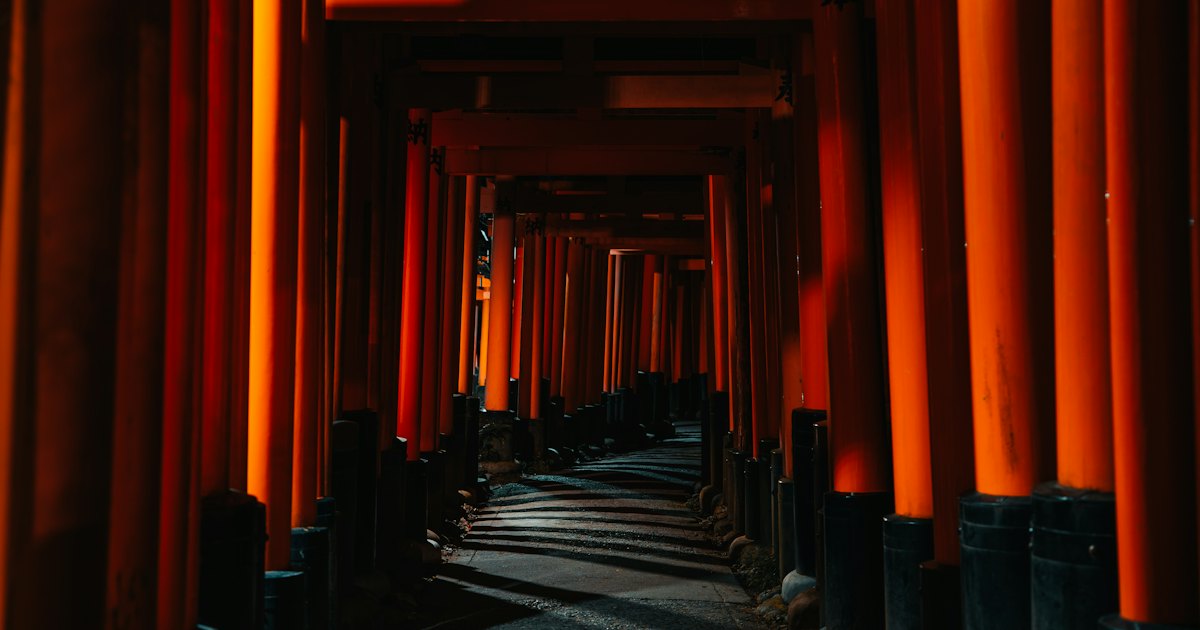
Move base to Kyoto or day-trip in. Visit Fushimi Inari Shrine early, before the crowds and the heat — there’s no need to walk the full mountain trail with young kids or grandparents, as the first 20–30 minutes through the torii gates gives you the postcard experience without the hike. Use one of Kyoto’s mapped prayer spaces if the timing works out, then spend a relaxed afternoon around Nishiki Market.
Day 5 — Arashiyama and a Slow Finish
Arashiyama’s bamboo grove is flat, shaded, and stroller-friendly — ideal for a day when energy is running low. Pair it with the nearby Togetsukyo Bridge, then leave the rest of the day unstructured. On a multigenerational trip, one genuinely unplanned day is usually the one everyone talks about afterwards.

Traveling with Grandparents and Little Ones
A few things worth building into the plan from the start. Allow more transit buffer than Google Maps suggests — stairs, ticket gates, and platform changes all take longer with a stroller or someone who walks slowly. Choose hotels next to a train station rather than a cheaper option a 15-minute walk away; those minutes multiply across a week. Pack a prayer mat and compass for each adult rather than sharing one, so prayer breaks don’t turn into a queue. And resist the urge to fill every day — our full approach to packing and logistics for a big family is in our family travel packing list.
Frequently Asked Questions
Is Osaka or Kyoto more Muslim-friendly?
Osaka has more halal-certified restaurants and an established Muslim community with proper mosques, so it wins on food variety. Kyoto counters with an official, city-mapped network of free prayer spaces that’s easy to use, even though its dining scene is smaller. Basing yourself in Osaka and day-tripping into Kyoto gives you both.
Do you need to bring your own prayer mat to Japan?
Yes, it’s strongly recommended. Many of the spaces available are vacant rooms offered on request rather than dedicated prayer rooms, so carrying your own lightweight mat and a Qibla compass app means you’re never waiting on someone to provide one.
Is Universal Studios Japan okay for a Muslim family?
Yes, with a little planning. There’s no official prayer room inside the park, but you can request the park Family Service for a place to pray – they will provide a room for a few minutes for you to complete your prayers. Several restaurants offer vegetarian food options.
Can you find halal snacks easily at convenience stores in Japan?
Some options exist, but labels need careful reading — many onigiri and processed snacks contain pork extract, mirin, or gelatin. Plain rice-based items, fresh fruit, and boiled eggs are the safer defaults, with a halal-scanning app as backup.
Is Nara Park suitable for young kids and elderly parents?
Very much so. It’s flat, largely shaded, and the main deer-feeding area requires minimal walking, making it one of the gentlest days on a Kansai itinerary for toddlers and grandparents alike.
Final Thoughts
Osaka and Kyoto make a quiet case that a country doesn’t need to be Muslim-majority to be a comfortable place to travel with your whole family, from toddlers to grandparents. The facilities are there; they’re just not always advertised where first-time visitors think to look. With the groundwork done — which is what this guide is for — prayer and food stop being obstacles and become ordinary parts of a very good trip.
If this is the kind of planning you’re after, you might also like the story behind why we started Muslim Family Wanders — it begins in Japan too. And for more destination guides as they go up, come say hi on our Facebook page.
Leave a Reply